
A Discipline Recast as Surrender
Death in VeniceThis flow follows how Aschenbach’s determination changes from a defense against weakness into perseverance in the service of obsession.
increasing Bearing strength in each event
 decreasing
Bearing strength in each eventdecreasingWill Against Fatigue
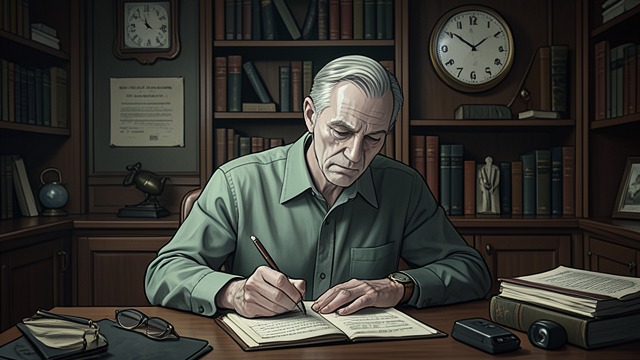
Will Against Fatigue
A daily contest
Aschenbach works despite poor health and limited strength. His steady schedule keeps exhaustion from appearing in the finished work.
Strength through restraint
This self-command forms the basis of his reputation. The struggle seems heroic because it directs will toward a chosen artistic purpose.
Rest Versus Duty
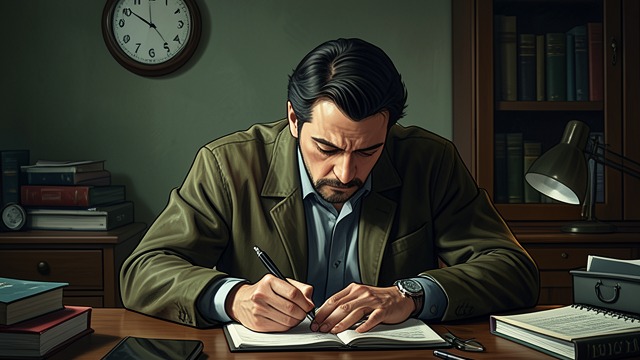
Rest Versus Duty
Fatigue breaks through
A blocked passage and accumulated exhaustion make Aschenbach leave his desk. The need for a break competes with his sense of responsibility to unfinished work.
A first concession
He allows himself to consider travel, though he tries to justify it as a practical measure. The conflict begins as a limited exception to discipline.
A New Object of Attention
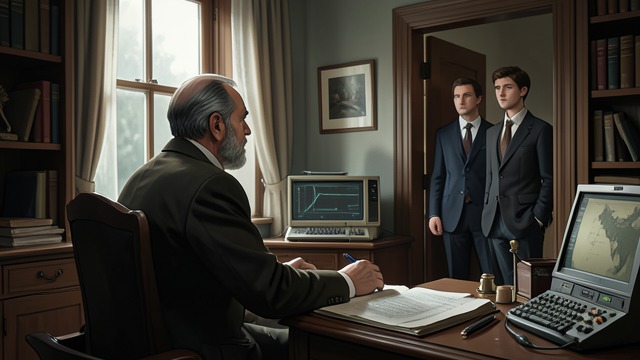
A New Object of Attention
Habit redirected
Aschenbach makes Tadzio’s appearances the organizing event of his day. His ability to wait, notice, and return is no longer primarily attached to work.
Control challenged
The same steadiness that sustained his career begins to support an increasingly uncontrolled fixation. The conflict is not between will and weakness alone, but between disciplined capacity and its chosen purpose.
Knowledge Against Desire
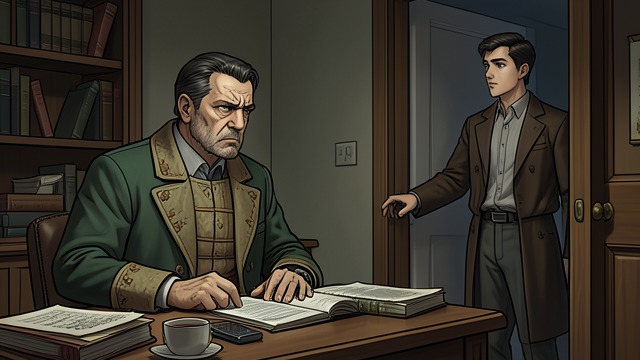
Knowledge Against Desire
A moral choice appears
Aschenbach knows that Venice is dangerous and that Tadzio’s family is not informed. Reason and responsibility point toward warning them and leaving.
Desire wins openly
He chooses concealment because the family’s departure would end his access to Tadzio. The conflict between judgment and appetite resolves in a conscious moral failure.
The Final Loss of Control
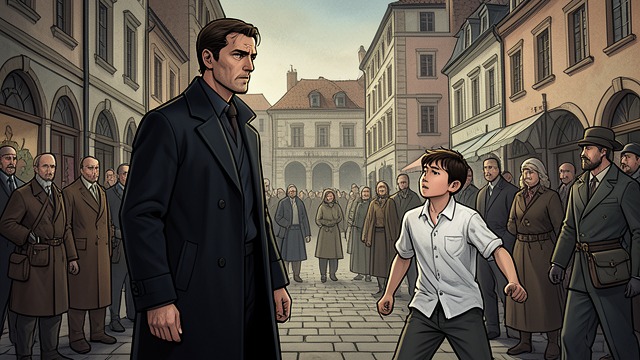
The Final Loss of Control
The pursuit resumes
Aschenbach sees Tadzio at a distance and rises when he imagines the boy signaling him. The impulse to follow now operates without the restraint of judgment or physical caution.
Collapse as resolution
His body fails as he acts on the desire. The conflict ends not through mastery but through the destruction of the self that tried to pursue its object.
During the account of Aschenbach’s working life
On the spring afternoon in Munich
During the early days at the Lido
After the clerk reveals the cholera outbreak
At the final beach scene
